

How Cambria's Dungeons mode works: Keys, runs, and risk-to-earn
A plain-English guide to Cambria's Dungeons — the Diablo-like, risk-to-earn dungeon crawler on Abstract. How Keys, runs, Artifacts, floors, and USDC payouts actually work.
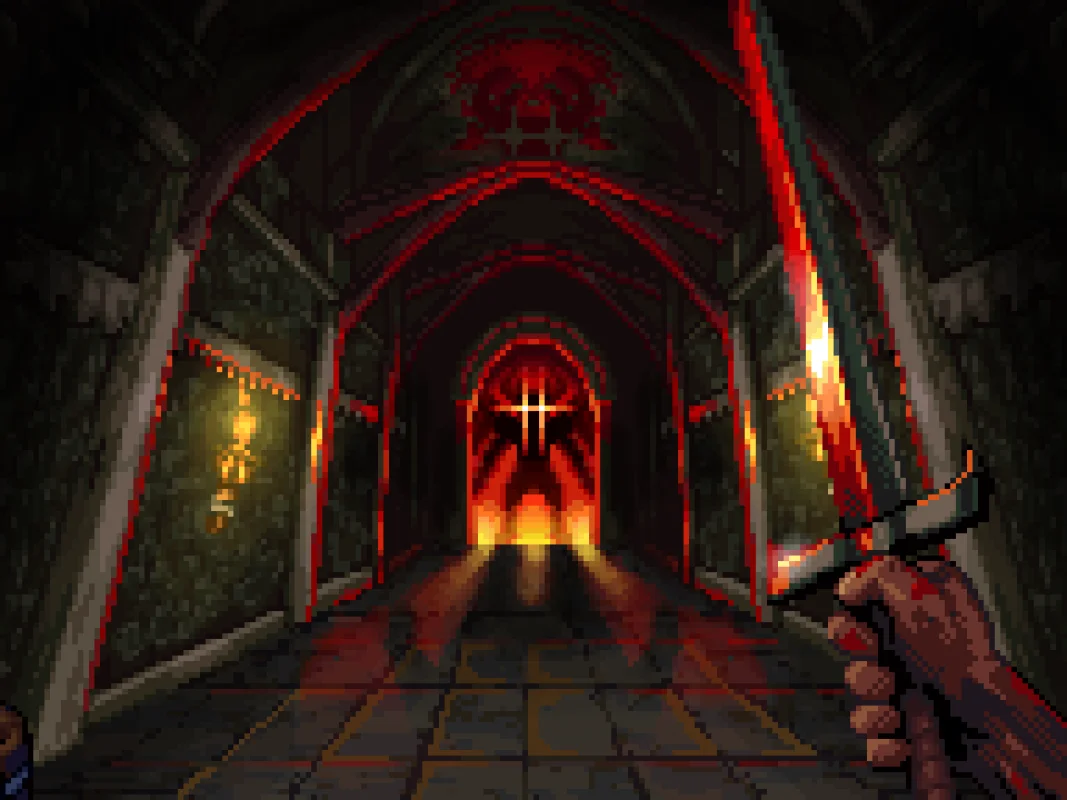
Cambria's Dungeons is the game's high-stakes solo mode — "a fast-paced, Diablo-like dungeon crawler w/ onchain stakes," in the team's own words. It went live on abstractchain in May 2026 as a new "home world" inside Cambria, the RuneScape-inspired risk-to-earn MMO. This guide breaks down how a run actually works — the mechanics are lifted from Cambria's official documentation — and then situates Dungeons in the wider extraction-game genre it borrows from. (For the launch timeline and patch cadence, see our news piece: Cambria brings Dungeons to Abstract.)
The genre: extraction meets the ARPG loot loop
If you've never played one, the shape of Dungeons is easiest to grasp through the two genres it fuses. The first is the extraction game — popularised by Escape from Tarkov and a wave of 2024–25 successors like ARC Raiders — where, as one genre primer puts it, "rewards aren't really yours until you've made it to the extraction point intact" (GamingScan). Risk rises the longer you stay; bank it or lose it. The second is the Diablo-like action-RPG dungeon crawl: descend floors, kill monsters, stack loot and build power.
Cambria isn't the first to put that loop on-chain. Web3 ARPGs like Crypto Raiders (an NFT dungeon crawler with an optional permadeath mode where "players risk losing their raider every time they enter a dungeon") and Lost Relics (a Diablo-style crawler whose relics are tradeable Ethereum items) have chased the same "own-and-trade-your-loot" idea for years (PlayToEarn). Outside crypto, extraction-ARPG hybrids like Project Pantheon — pitched as melding "Diablo 4's gameplay with Escape from Tarkov's stakes" (PCGamesN) — show the design is having a broader moment. What Cambria adds is a real-money extraction: the thing you carry out isn't gear for the next raid, it's USDC.
The core idea: risk Keys, go deep, extract
In Dungeons you spend Keys 🔑 to enter a procedurally generated "death maze," and the deeper you push, the more you can earn — but a run ends when you die, and everything rides on banking your loot before that happens. The docs put the stakes plainly: your ability to "strategize in real time, construct a perfect build, and accumulate maximum power will mean the difference between fortune and ruin."
A run, in four steps
1. Get Keys. Buy Dungeon Keys with USDC — 10 Keys = 1 USDC (docs; the 10-to-1 ratio is corroborated in launch coverage of the May invite-gated access). Keys are your stake.
2. Choose your build and stake. Pick a combat type — Melee, Ranged, or Magic — and a starting-gear archetype: glass cannon, hybrid, or tank. Then choose how many Keys to risk on the run. Risking more Keys multiplies your rewards (and your exposure).
3. Enter the Dungeon. Clear monsters, smash Mystery Objects, and open chests, looting as many Artifacts as you can — Artifacts are what determine your end-of-run payout. As you go you level up and evolve your build, stacking Boosts, Quirks, Affixes, and Weapon upgrades to grow stronger. Each floor ends in a Boss (with huge loot) you must kill before descending. Floors are currently capped at 8, with exponentially increasing difficulty the deeper you go.
4. Cash out. When you die — or reach the final floor — all the Artifacts you collected are cashed out into your final Dungeon Coins total. Coins auto-redeem against the Dungeon Liquidity Pool for USDC (distributed weekly), or you can sell them OTC to cash out earlier.
Why it's called "risk-to-earn"
The tension is the game: every floor deeper is more reward and more chance of losing the run, and staking more Keys raises both the ceiling and the downside. That is the extraction loop the genre is built on — only here the "extraction" is a withdrawal in real stablecoins, not virtual gear. Push your luck, bank your Artifacts, or lose it all.
Where Dungeons fits in Cambria
Dungeons is one mode inside a larger risk-to-earn MMO that also runs Gold Rush (a battle-royale-style PvE extraction event) and the Duel Arena (ranked 1v1 PvP), alongside Islands sovereign-land governance. Cambria's lineage runs from Blast through Ronin and now Abstract, and the project has drawn real traction: the team reports 120,000+ signups, and Gold Rush Season 2 alone topped $1M in sales (CCN), against a self-reported $100M+ in cumulative wagered volume across the game. Founded by BEN.ZZZ, it has shipped Dungeons updates at an unusual pace since launch — four numbered patches in under a month (see the rollout timeline).
The docs flag further Dungeons systems still in development: deeper Gameplay (Quirks, Passives, Abilities, Affixes, Boosts), Bar Games (degen minigames played with Arena Tokens), and Pendants (a tradeable economic layer obtainable from the deepest floors).
One caveat that's genuinely warranted: Cambria flags Dungeons as in active development — "mechanics, values, and systems are subject to change." The four-step loop above is stable, but specific numbers (the Key ratio, the 8-floor cap, the weekly payout cadence) are the team's current design and can move.
Mechanics in this guide are lifted from Cambria's official documentation (docs.cambria.gg/dungeons), read June 2026, and cross-checked against launch coverage. Genre framing, comparisons, and traction figures are drawn from third-party reporting cited inline; self-reported figures ($100M cumulative wagered, signup counts) are attributed to the Cambria team.